Chronourbanism: How Time Spent Commuting Shapes Our Happiness
We're used to measuring housing in square meters and dollars. Chronourbanism offers a different metric: minutes and hours of your life. Learn how to stop losing time on travel and choose locations based on a real time budget.

When the perfect renovation can't save you
You'd think moving into an apartment with a perfect renovation and a park view would make us happier. But six months later we suddenly notice: we don't even have energy left for a walk in that very park, and the joy of the new kitchen fades. The reason? Two hours a day on the road.
We're used to measuring housing in square meters and dollars. Chronourbanism offers a different metric: minutes and hours of your life.
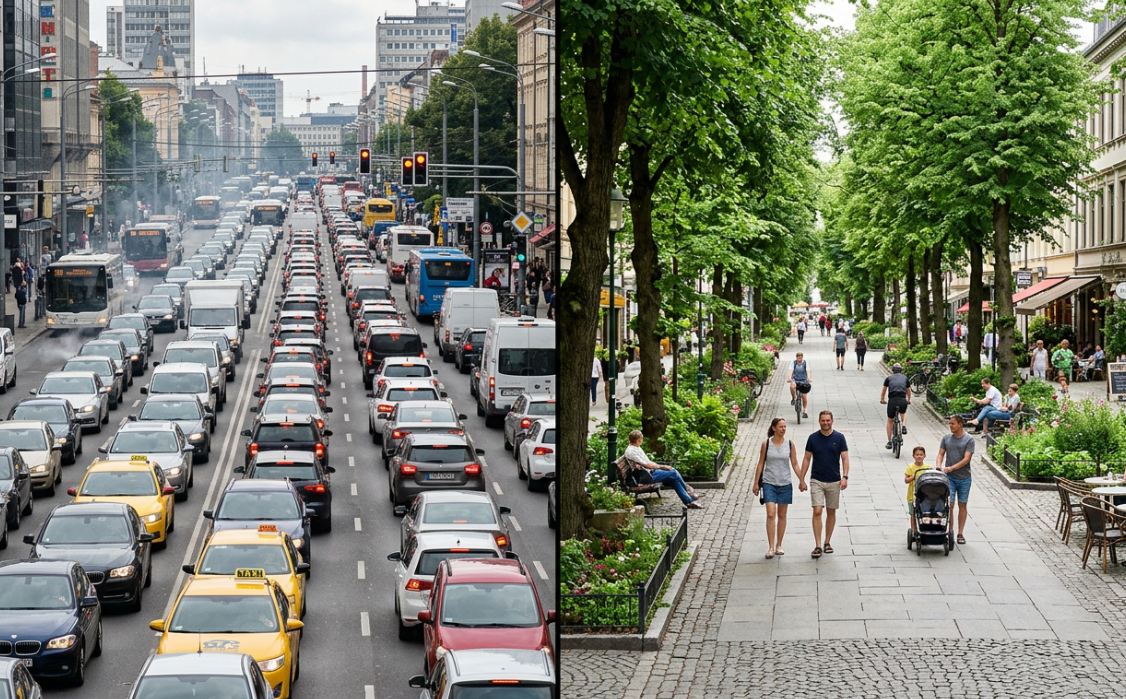
Why time became the city's main currency
Ten years ago the main convenience criterion was "close to the office." Today work is increasingly remote or hybrid, and the value of time has only grown. We want not one business center within walking distance, but a whole ecosystem: pharmacy, park, café, school.
Daily time budget of a city dweller
Distribution of 24 hours
The problem is we rarely count these minutes systematically. Somewhere you can cut 10 minutes off the trip to the store; somewhere it's 40 minutes to the park. In total, invisible time leaks rob us of socializing, sports, and rest. If you don't pay attention, the city starts draining your energy invisibly — through chronic fatigue and giving up familiar activities.
ㅤㅤ
"Every minute spent in traffic reduces our social activity. The longer it takes to get home, the less often we meet friends and take part in city life."
In other words, time on the road isn't just discomfort — it's a direct deduction from the number of social contacts. And according to many studies, those contacts define our subjective sense of happiness.
What actually defines your "time budget"
Myth: the subway is everything
Proximity to the subway solves everything.
Walkability to daily destinations — store, park, pharmacy — matters 30% more.
Many think that if the subway is 5 minutes away, the neighborhood is a good pick. In reality, you can live 300 meters from the station and still spend 40 minutes getting to the nearest park or daycare. Transit access doesn't replace a walkable ecosystem. The myth persists because developers often highlight the subway while "quiet" infrastructure stays off the radar.
Practical takeaway: when choosing a neighborhood, look not at one point but at a network of everyday places.
Five places that shape your weekly chrono-budget
Grocery store
Daily or every-other-day trips. Every extra minute walking there and back adds up to hours per month.
Pharmacy
Periodic necessity. Distance can cost you your health, especially in the evening.
Park or green space
A daily walk for recovery. If you need transport to get there, you'll start skipping it for any excuse.
Café or meeting spot
Once or twice a week. Proximity lowers the barrier to spontaneous socializing.
School or daycare
Twice a day on weekdays. Add waiting time and multiply by years — that's thousands of hours.
How to turn time into color: a personal comfort heat map
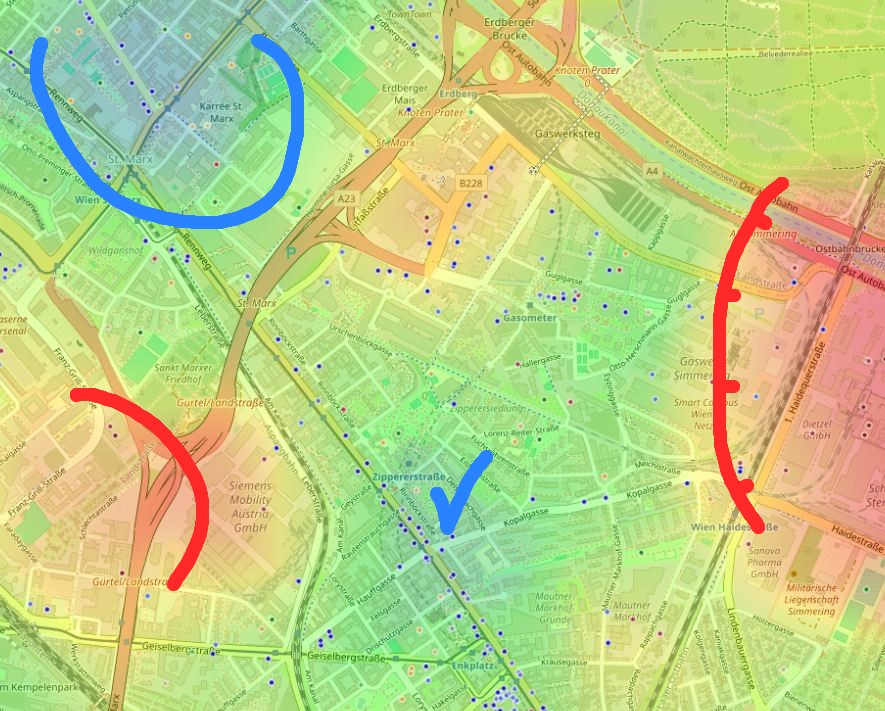
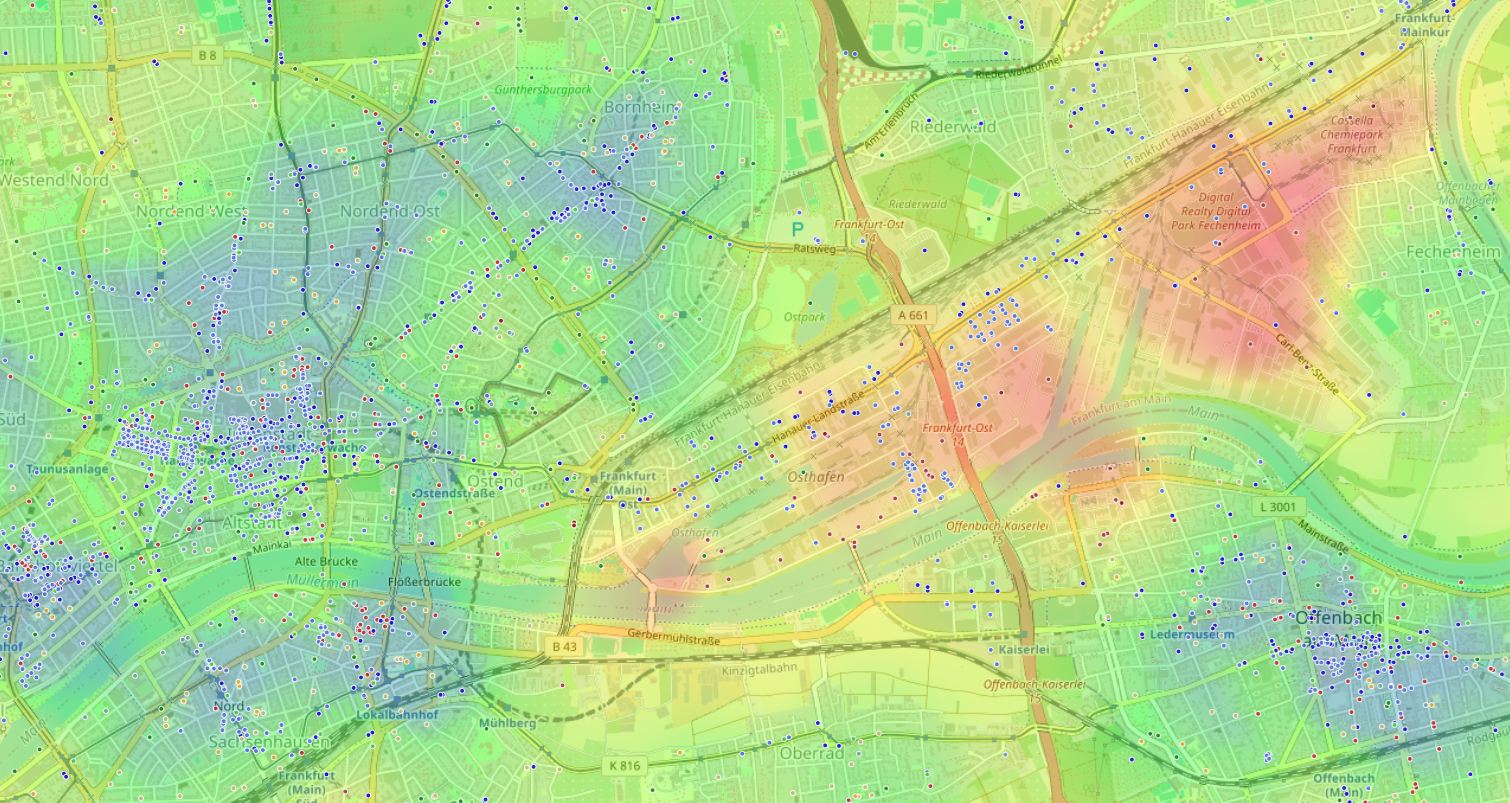
Chronourbanism turns dry numbers into a vivid picture. Imagine that all the places that matter to you glow green, while sources of noise and discomfort glow red. Where the glows overlap and green dominates, you'll spend minimal time traveling and get maximum benefit.
Such a map instantly highlights neighborhoods where everyday logistics quietly steal hours of your life.
ㅤㅤ
"Urban planning should account not only for road kilometers but for how residents' time flows. A good place is one where minutes spent moving between home, work, and leisure are balanced."
This idea applies not only to cities as a whole but to every personal location choice.
How to assess your neighborhood: a "Where does the time go?" checklist
Take a map and answer five questions. Don't guess — use your phone's stopwatch for real routes.
To the store
How many minutes on foot to the nearest grocery store? Time it on a weekday evening.
To the park
Can you reach a park or square within 10 minutes without transport?
To the pharmacy
If you need a pharmacist at 9 p.m., is there a pharmacy within a 15-minute walk?
To a café
Imagine you want coffee with a friend. Minimum travel time to the nearest café?
Noise and traffic
Are there objects in the neighborhood that generate constant noise or congestion? They add minutes to every trip.
Interpretation: if the first three answers are "more than 15 minutes" and the fourth is "more than 20 minutes," and the fifth is "yes," your time budget is overloaded. You invisibly lose up to 10 hours of free time per week on everyday logistics alone.
See your neighborhood differently: visualization instead of calculations
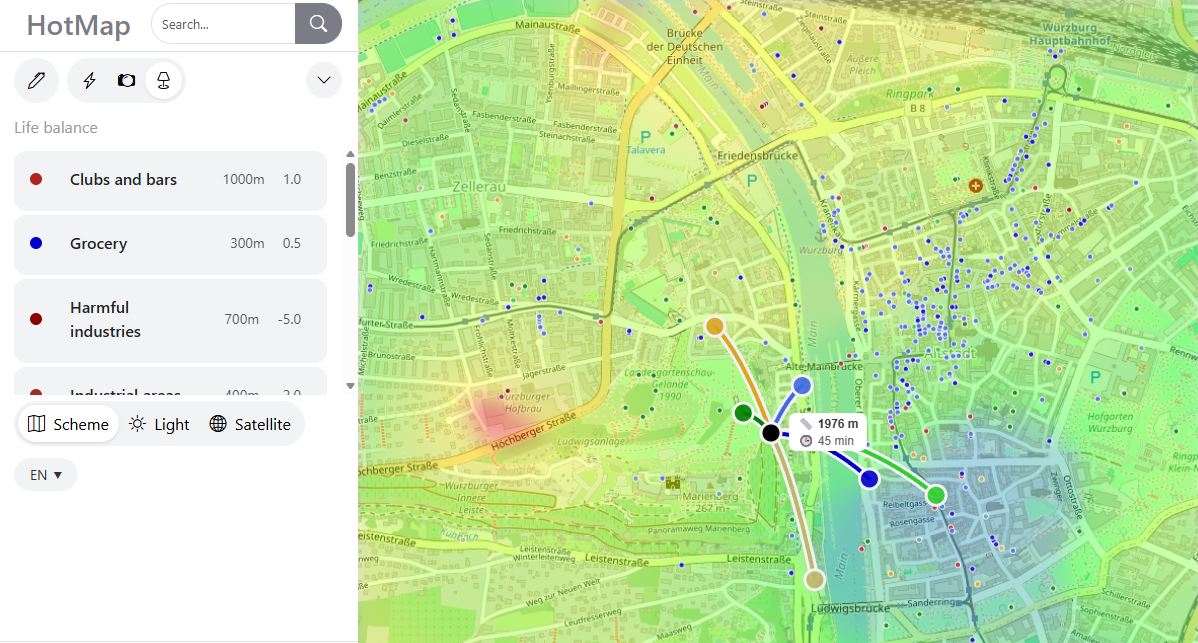
Honestly timing routes on a map and calculating environmental balance is labor-intensive. It requires gathering data on dozens of places, converting distances to minutes accounting for traffic or pedestrian routes, and overlaying everything on one picture.
That's exactly what the HotMap app solves. You choose important categories — pharmacy, café, park, daycare — and get a ready heat map where green highlights places with optimal time balance. Travel time to places is automatically converted to minutes of walkability, and negative factors (noise, industrial zones) make the area redder.
Try it on your own neighborhood: just open the map and enable "Quiet and calm" or "Cultural center" mode to see how travel time turns into color.
Not just a location, but an extension of your schedule
We're used to thinking housing is square footage, finishes, and floor. But your real home extends beyond the threshold: onto the street, into the park around the corner, into the pharmacy across the road. The time you spend on these extensions either makes life full or steals it piece by piece.
That doesn't mean you need to move right away. But you can start simply: tomorrow morning turn off the navigator and just walk to the three places you use most often. Time it. You may be surprised how many minutes slip away where you didn't expect them.
Frequently asked questions
What matters more: proximity to the subway or to a park?
If you work remotely and value walks, the park may be the priority. But without the subway, mobility suffers. Best to seek balance: both subway and park within a 10–15 minute walk. That's the picture a heat map gives when it accounts for both factors at once.
Can you improve your time budget without moving?
Yes. Change habits: move evening walks to the nearest square, order groceries with delivery once a week, and invest freed time in rest. But if key places stay far away, you'll still lose hours.
How do you determine your ideal accessibility radius?
Run an experiment: for a week, record where you walked and how long it took. The comfort threshold for most people is 15 minutes. Anything longer eventually starts to irritate. Use that number as your guide.