Suburban hell: how a home 30 km from the city becomes a trap (and how to avoid it)
Still convinced that a country home means freedom? Or have you just not counted how many hours of life it will take? Let's break down the invisible traps and show how to choose a location that gives you time instead of stealing it.

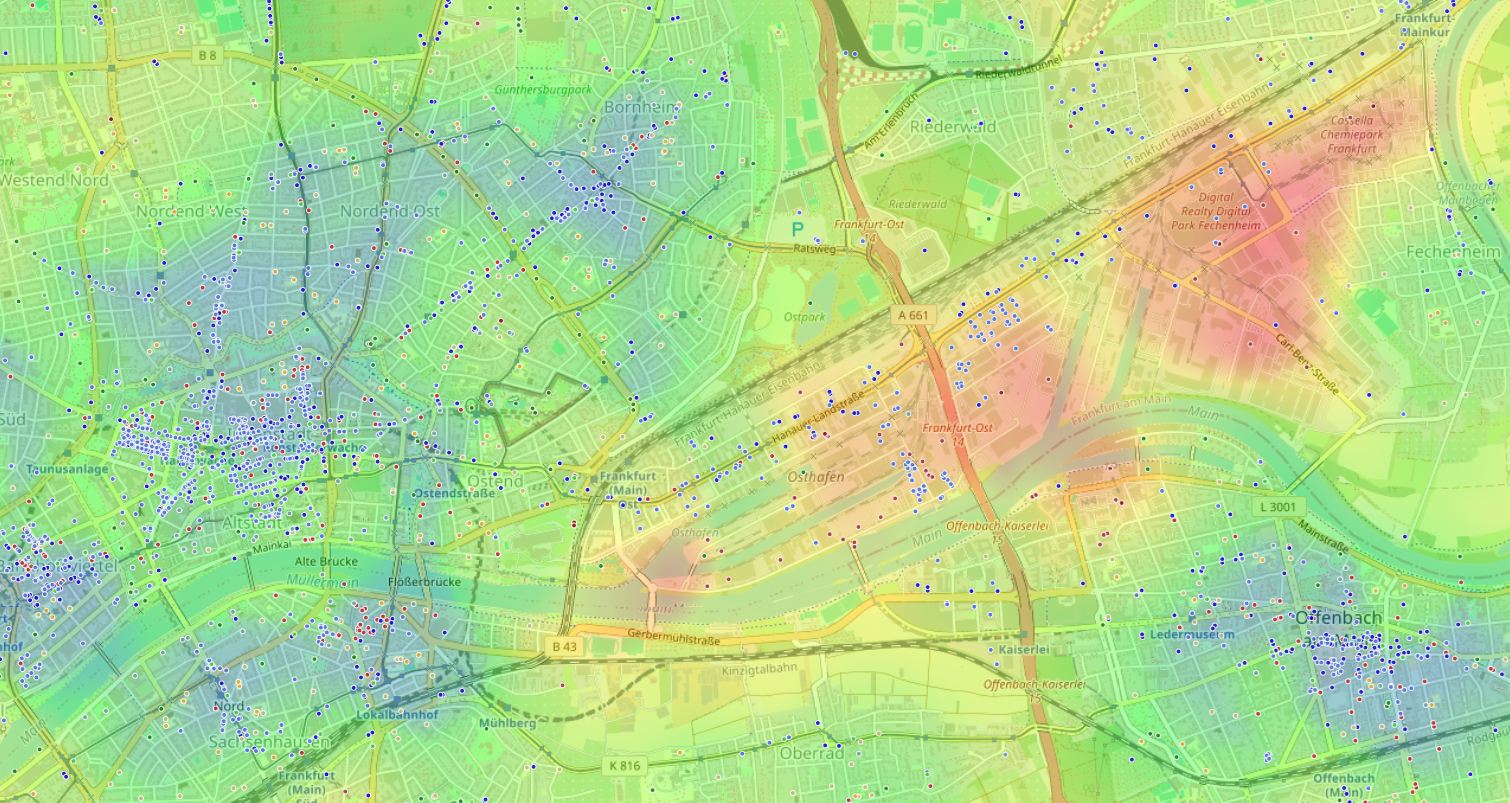
Why moving to the suburbs right now may be a mistake
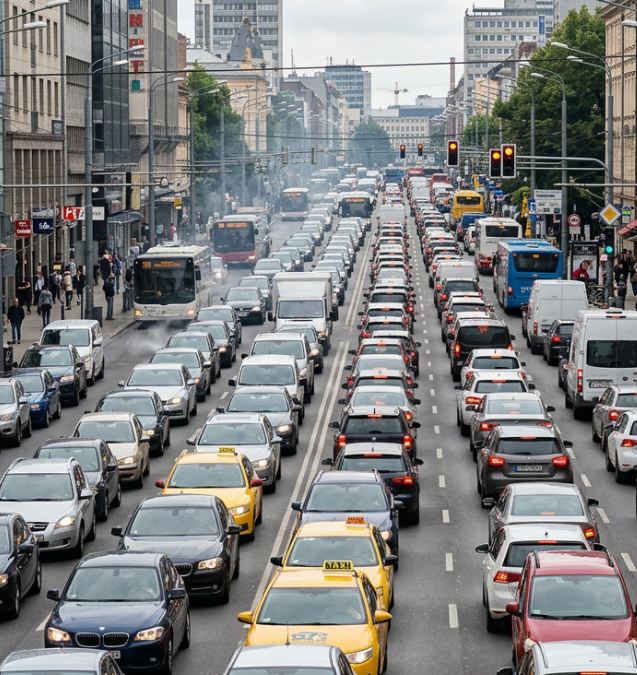
Remote work blurred the boundaries, and thousands of city dwellers rushed to the countryside in search of quiet. But along with the idyll they bought multi-kilometer traffic jams, empty sidewalks, and car dependency. The trend toward healthy rural life crashes into reality: infrastructure can't keep up with dreams.
Time funnel: from 40 minutes to 2.5 hours a day
The main pain is that you lose not just minutes, but energy for family, hobbies, and rest. On the surface it seems like "just 40 km." But those 40 km turn into 2.5 hours of daily rush-hour racing. Chronic sleep deprivation, missed school concerts, and the constant feeling of "life on the road" — that's the price of ignoring this funnel.
"The American suburb was designed to make us fat, poor, and lonely"
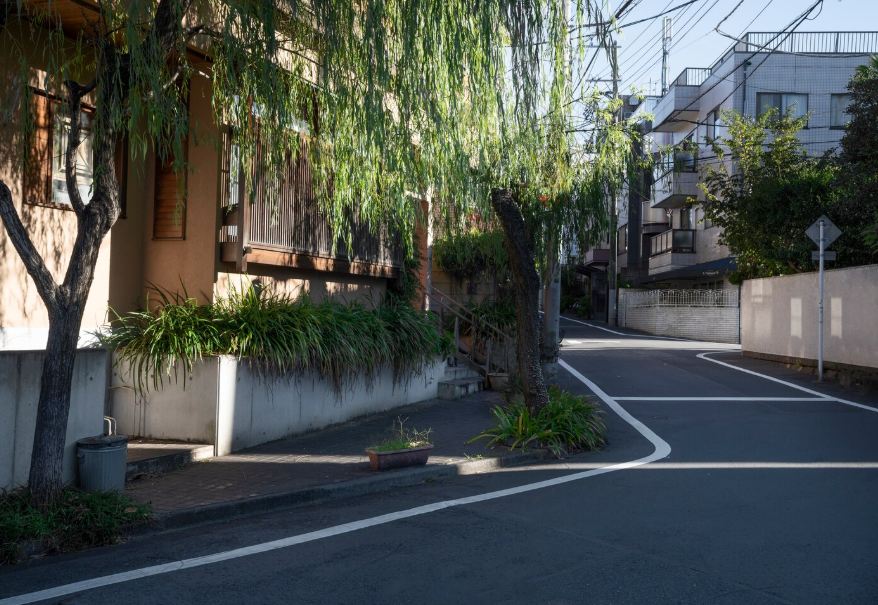
Suburban isolation isn't just a foreign phenomenon. An environment where you have to get in the car even for bread destroys spontaneous connections and forces you to spend evenings alone on the couch.
The myth that sells real estate
Many think: the farther from the city, the cheaper and more spacious. In reality you pay not with money, but with time. With every extra kilometer, not only gas costs grow, but also the price of missed meetups with friends, skipped parent meetings, and lost nerves. The myth survives because of beautiful developer renders that don't mention that behind the green fence may hide a logistical trap.
The real happiness formula: count minutes, not kilometers
Life satisfaction and commute time
Subjective well-being index, %
Life satisfaction vs. commute time (chrono-urbanism data)
Research by Charles Montgomery (Chrono-Urbanism: Time in City Planning) confirms: happiness drops in direct proportion to daily commute time. If a one-way trip exceeds 45 minutes, the risk of depression rises by 40%.
The mechanism is simple: commuter migration steals time from sleep and socializing, turning the home into a sleeping box. Two homes at the same distance from the center can mean completely different quality of life: one has a commuter train station nearby (a calm 50 minutes with a book), the other only a car and endless traffic jams.
Conclusion: always evaluate "time thresholds," not distance on the map.
Three hidden enemies of suburban happiness
The "weekend highway" effect
On weekdays your village is quiet, but on Friday evening the road turns into hell. The whole city heads out to relax — and you're stuck with them.
The infrastructure ghost
Shops and pharmacies drawn on the developer's plan close as soon as the last cottage is sold. The real bakery may turn out to be a 20-minute drive away.
The neighbor vacuum
On workdays the village empties out: children can't find peers, adults feel like hermits. An environment where you won't meet a single passerby quietly erodes mental health.
Five checks that will save you from moving into a "red zone"
Spend a weekday there
Come in the morning and stay until evening. Record every trip for bread, to kindergarten, to practice.
Check real accessibility
Measure time to kindergarten, supermarket, and pharmacy at rush hour, by public transit — not by car on Sunday morning.
Take a walk
If you don't meet a soul in 15 minutes — social isolation is guaranteed.
Check the noise level
Open the windows during weekday rush hour, not on a sleepy Sunday afternoon.
Assess "environmental balance"
Do the pluses (park, school) outweigh the minuses (construction, factory) within a 1 km radius? Tools that show this visually, without manual calculations, can help here.
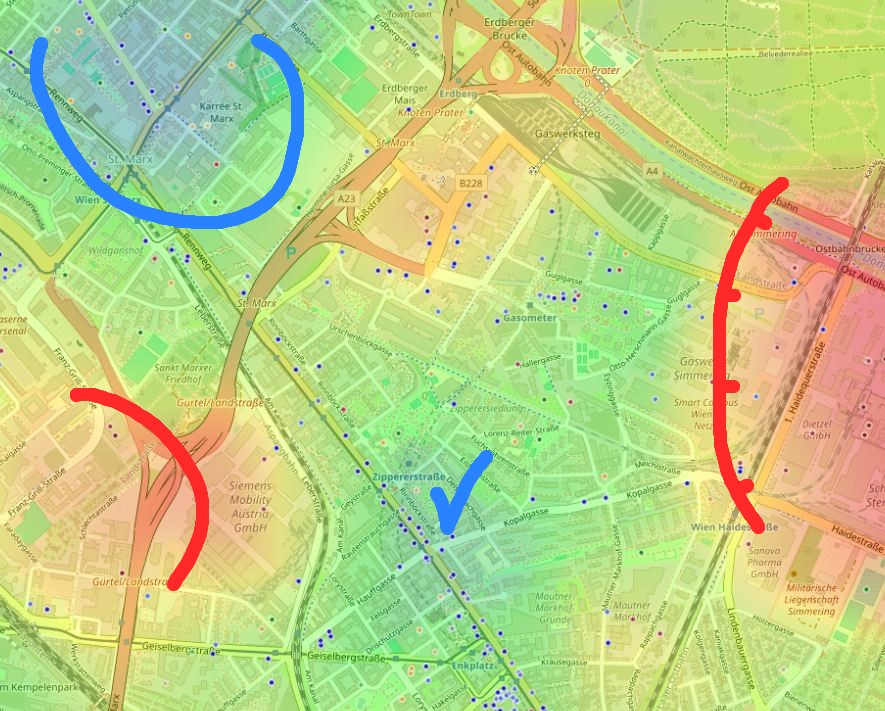
Look at the neighborhood differently before signing the contract
Manually calculating time to every point, overlaying routes, and weighing factors is a full-day job. At HotMap we automated this process. Set a point on the map — and the system builds a comfort heat map: red highlights zones with excess highways, factories, and emptiness; green shows places where schools, parks, and cafés are within walking distance.
You can choose the preset "Quiet and calm" mode — and the map will highlight oases of real comfort. In a minute you see whether suburban idyll will turn into logistical hell or become a home you won't want to leave. Try checking your future address right now.
The main thing to remember
A country home isn't a lottery. It's an equation with known variables: time, distance, infrastructure. Solve it before buying, and you get not just square meters, but a new quality of life. Don't let beautiful brochures mislead you — arm yourself with facts and maps that tell the truth. The best country home is the one you don't want to flee back to the city from — on weekdays or weekends.
Quick answers to tough questions
Can you trust heat maps? Do they account for real traffic jams?
HotMap builds the map based on object concentration and influence radii. Traffic jams are a dynamic factor, so we recommend also checking typical travel time at peak hours via a navigator. But the color map will immediately warn you: if the whole zone is red because of a highway, traffic jams there will be constant.
What if I already bought a home in a "red zone"?
Look for scenarios that minimize the damage: maybe work is partly remote, and the school is on the way to the city. Or shift your schedule to avoid rush hour. In any case, knowing about the problem is the first step toward conscious logistics.
How much daily commute time is considered critical?
Research points to a threshold of 45 minutes one way. Over 1.5 hours a day is already a risk to health and relationships. Listen to yourself: if after a week of such trips you feel drained, the numbers don't lie.